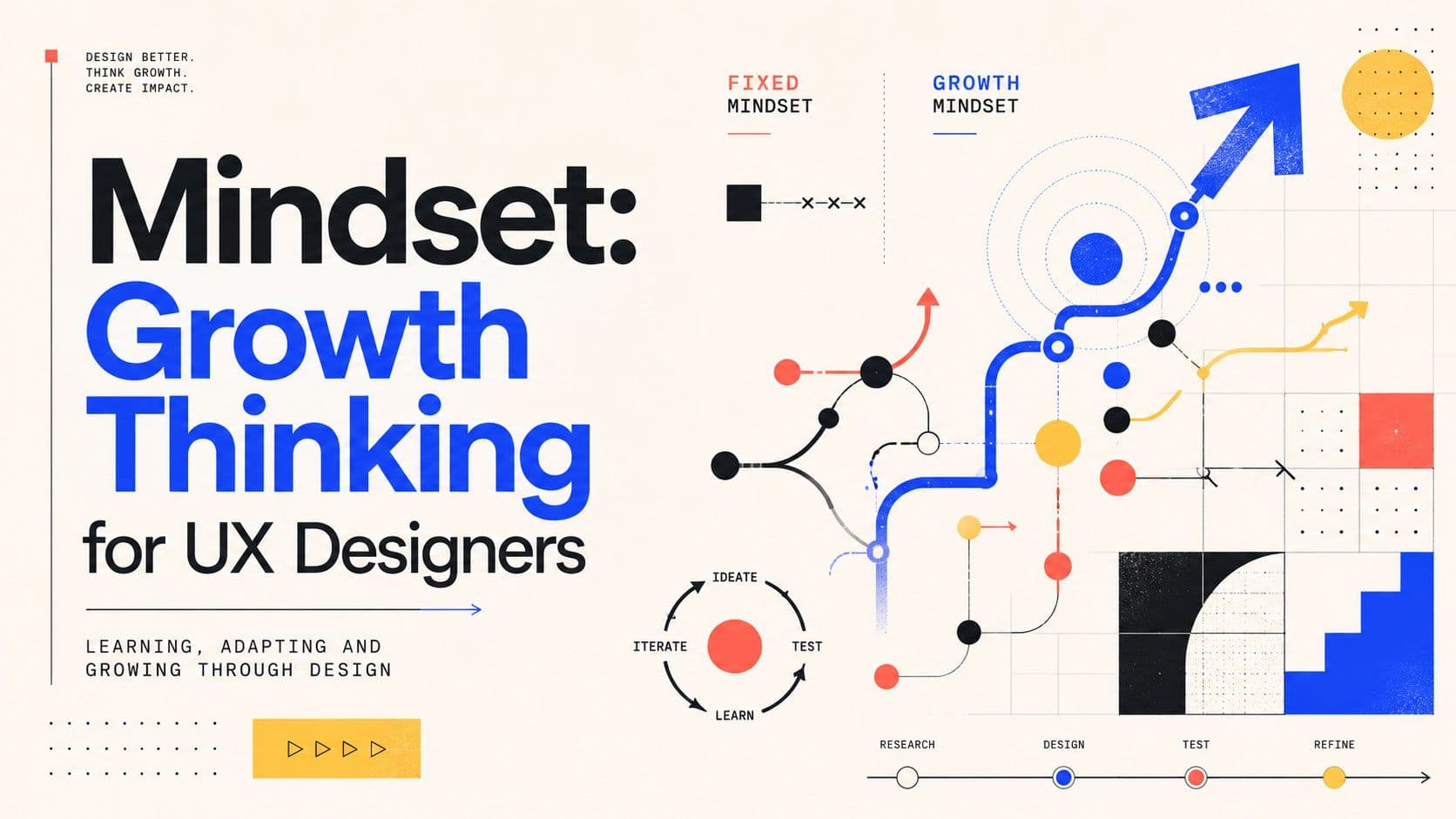
Mindset is a theory in success psychology that explains how people with a fixed mindset and people with a growth mindset approach challenges differently. The book emphasizes that having a growth mindset is an important key to achieving success.
I tried to apply the ideas from the book to colleagues in a company setting. I noticed that people with a fixed mindset often set many limitations before fully understanding the work. Before exploring the task itself, they may first judge whether it goes beyond their job scope, so they can reduce the impact on themselves. They may give many excuses because they are afraid of facing failure.
In contrast, people with a growth mindset believe they can continue to develop and improve. To them, failure is not the end, but part of the experience that leads to success. They are willing to try new things, explore their potential, and grow through continuous learning.
Key Ideas from Mindset
Positive thinking can help people overcome obstacles, adapt to change, stay resilient, and perform better when working toward goals. It encourages us to focus on positive thoughts and problem-solving methods instead of being affected by negative emotions or surface-level difficulties.
When people face problems, their mindset can usually be divided into two types: fixed mindset and growth mindset. People with a fixed mindset believe their abilities are fixed, while people with a growth mindset believe they can improve their abilities through learning, practice, and development.
The book also emphasizes the importance of how we view failure. Successful people often see failure as an opportunity to learn and grow, rather than treating it as a personal defeat or the end of the journey.
Summary and Application
Mindset provides many useful ways to help us observe how we face challenges and achieve goals. The key is to let go of an overly self-centered way of thinking and develop a growth mindset.
We should not limit our abilities too early. Instead, we need to have the courage to take risks, face difficulties with resilience, and view both ourselves and the people around us from the perspective of learning and continuous development. This mindset can guide a team to keep learning new knowledge and skills.
Application for UX Designers
As UX designers, we need to continuously update our understanding of design concepts, pay attention to market changes and user habits, and respond quickly with new perspectives and practical ideas.
UX designers often need to estimate outcomes, but actual results may not always match expectations. Sometimes, we may even face criticism or blame. When facing challenges or disappointing results, we should stay calm and optimistic, and treat them as opportunities for learning and growth. We can learn from failure, feedback, and data, then improve and adjust our design decisions.
Creative work often involves facing the unknown. Over time, uncertainty can slowly become a mindset of “preset limitations”. Therefore, besides focusing on results and outcomes, we should also pay attention to our own learning and growth process. By focusing on the process, we can better discover our potential and continue improving our abilities.
Design work also requires a high level of communication. As managers, we need to observe and identify whether team members tend to have a fixed mindset or a growth mindset, and understand their different characteristics. This allows us to communicate more effectively, guide them properly, and arrange work in a more suitable way.
Conclusion
For UX designers, a growth mindset is not only a personal attitude, but also an important ability for facing work, challenges, and team collaboration.
When we are willing to let go of limitations, accept uncertainty, learn from failure, and continuously update our way of thinking, we can keep growing in our design work. A truly valuable designer does not simply complete tasks. They continue to learn, adapt to change, and help themselves and their team create better results.

Reference Book: Mindset: The New Psychology of Success Author: Carol S. Dweck, Ph.D.